AP Computer Science A
Java programming with a focus on object-oriented thinking, problem solving, inheritance, polymorphism, arrays, ArrayLists, recursion, and AP-style free response practice.
Open AP CSATeacher * Coder * Historian * Curriculum Designer
After more than 30 years as a high school Computer Science and Social Science teacher, I approach teaching with a practitioner’s mindset. My work as an educator is grounded in three core principles: rigor, relevance, and personalization. These values shape how I design courses, organize learning experiences, use technology, and support students as they develop confidence and independence. Rigor means setting high expectations and asking students to think deeply, solve problems, and produce meaningful work while I strive to keep learning relevant by connecting learning to authentic situations, professional practice, and the world beyond the classroom. Personalization means recognizing that students bring different experiences, strengths, and needs to their learning, and providing the support and flexibility that helps them grow.
My work also extends into teacher preparation and educational technology. I teach graduate courses at Cal Poly Pomona and have mentored aspiring teachers through clinical practice and teacher preparation programs. These experiences have reinforced one of my strongest beliefs about education: theory becomes most powerful when students can apply it to authentic practice, reflect on the results, and use what they learn to improve.
Technology has always been an important part of my teaching, but I do not believe technology should replace thinking. I am most interested in how digital tools can support inquiry, creativity, active recall, problem solving, reflection, and meaningful collaboration. Whether I am teaching future educators, computer science students, or young designers and photographers, my goal is the same: to create an intellectually rich and supportive environment where students are challenged to think for themselves, develop practical expertise, and take ownership of their learning.
When I am not teaching, I engage in private family and public history research, where I utilize historical methodologies and evidence to investigate how individual experience is constructed and remembered within the broad context of historical memory. In addition, I create digital applications and tools that aid students exploration, inquiry and higher order cognition.
Introduction
Dr. John McGarvey has taught for more than 30 years in the Bonita Unified School District, first as a Social Science and Computer Science teacher at San Dimas High School and later as a Computer Science teacher and Electives Department Chair (2010-2022) at Bonita High School. He was part of an interdisciplinary Freshman Core at San Dimas High School and was named Bonita Unified School District Teacher of the Year in 2012.
Alongside his district work, Dr. McGarvey has extensive higher education experience teaching graduate courses in education and educational technology for California State Polytechnic University, Pomona (2001-Present) and formerly for Azusa Pacific University (1997-2005). He has also served as a Lead / Mentor Teacher for Claremont Graduate University summer interns completing clinical practice in World History classrooms.
High School Teaching
Java programming with a focus on object-oriented thinking, problem solving, inheritance, polymorphism, arrays, ArrayLists, recursion, and AP-style free response practice.
Open AP CSABroad computer science concepts including the internet, data, cybersecurity, algorithms, programming, creativity, and the AP Create Task process.
Open AP CSPVisual communication through typography, color, layout, photography, composition, image editing, branding, and digital portfolio development.
Open Graphic Design Open Graphic Design 2College Teaching
My college teaching focuses on helping future educators connect theory, research, standards, and classroom practice. Across my courses, I emphasize reflective decision-making, purposeful lesson design, inclusive instruction, and practical strategies that help teachers create classrooms where students think deeply, participate actively, and understand why learning matters.
In EDU 5120: Elementary Social Science, teacher candidates deepen their understanding of the K-5 History-Social Science standards, including history, geography, economics, civics, and government. The course explores the philosophical and historical foundations of social studies instruction while emphasizing inquiry, critical thinking, democratic citizenship, and age-appropriate strategies that help young learners ask meaningful questions about the world.
In EDU 5262: Clinical Practice Single Subject Seminar, teacher candidates receive practical and reflective support during clinical practice. Drawing on more than 30 years of secondary teaching experience, the course uses structured reflection, collaborative discussion, and peer support to help candidates apply research-based strategies for instruction, classroom management, and assessment while growing in confidence as emerging professional educators.
In EDU 5215: Models of Secondary Instruction, graduate students study research-based principles of effective instruction, cognitive science, content standards, technology integration, and assessment. A central focus is Backwards Design: developing unit plans with clear goals, meaningful evidence of learning, and student-centered lessons that respond to diverse learning needs.
Tools
Career Preparation Tool
An interactive two-part toolkit that helps teacher candidates research schools and districts, organize evidence from their teaching experience, review educational terminology, and practice interview questions.
Open Interview ToolkitWriting Tool
Created by Dylan McGarvey, this updated Thesis Creator rebuilds the number-one Google-ranked tool for the keyword "thesis creator" first developed for my early-2000s World History courses.
Study Tool
A private, browser-based study tool that combines active recall with spaced repetition, tracks learning locally, and creates study receipts students can submit for accountability.
Open Recall PracticeCoding Tool
A private, browser-based algorithm practice tool where students arrange mixed-up AP CSP pseudocode cards into the correct order and download a practice receipt.
Open Parsons PracticeMajor History Links
 Local Rivalry Archive
History of the Smudgepot Game
Local Rivalry Archive
History of the Smudgepot Game
A public history site documenting the 50-plus year football rivalry between Bonita and San Dimas High School, including game summaries, school traditions, the Smudge Pot trophy, and community memory.
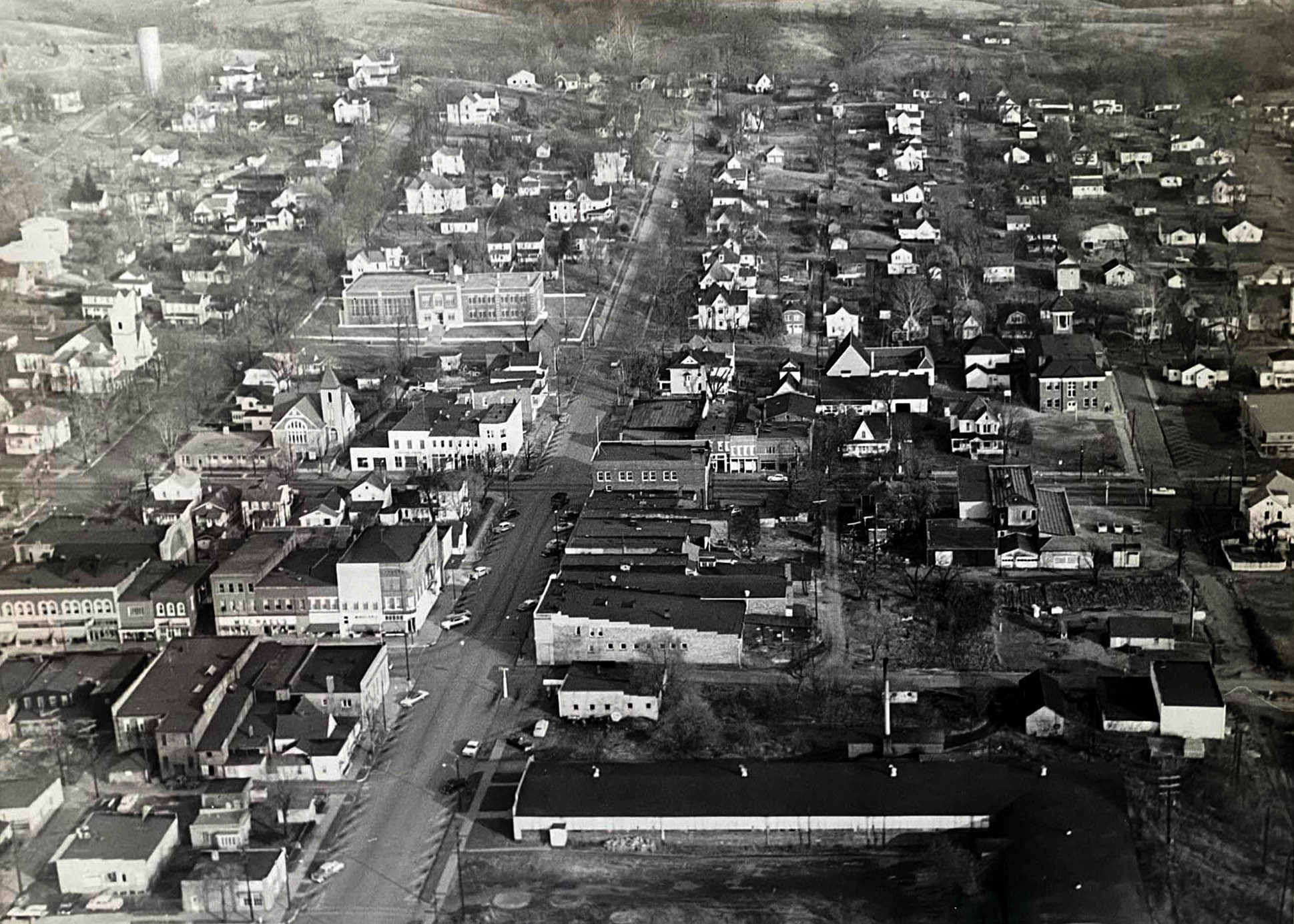 Family Archive
McGarvey Family History Project
Family Archive
McGarvey Family History Project
A family history project gathering photographs, migration stories, documents, grave records, maps, timelines, and research notes connected to the McGarvey family line.
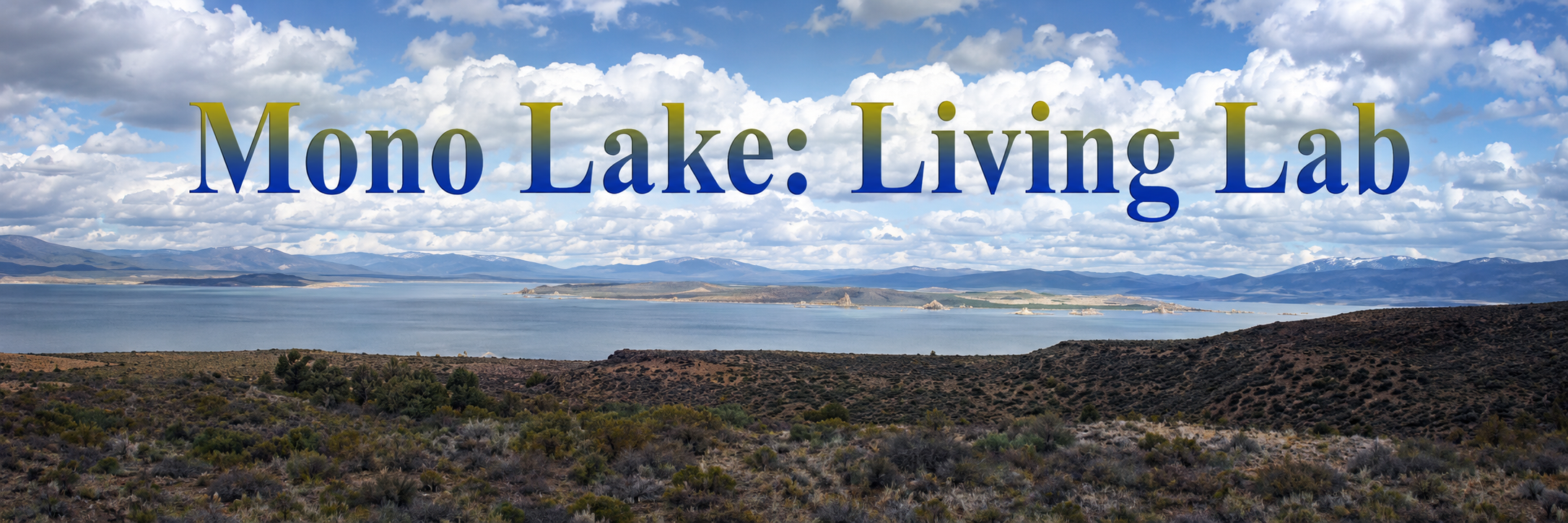 Student History Project
Mono Lake Living Lab
Student History Project
Mono Lake Living Lab
A rebuilt archive of the 1999 and 2000 Mono Lake Living Lab projects, preserving student websites, writing, field-trip photos, video, and interdisciplinary work on water, ecology, history, and public memory.
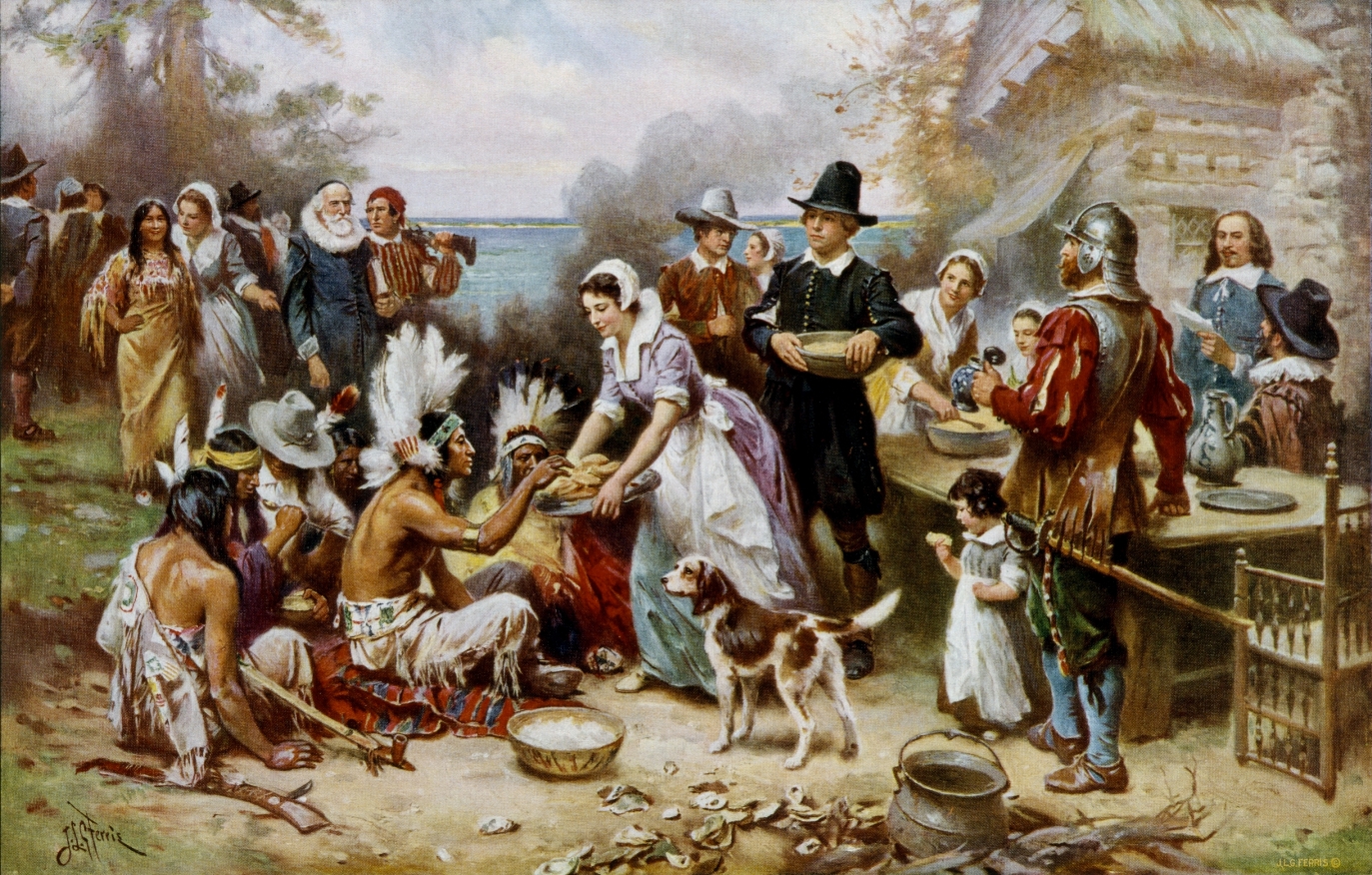 History Teaching Resource
Children's Literature for Inquiry
History Teaching Resource
Children's Literature for Inquiry
A searchable resource that helps teachers and students find children's literature aligned with California History-Social Science themes, grade levels, inquiry topics, and teaching notes.
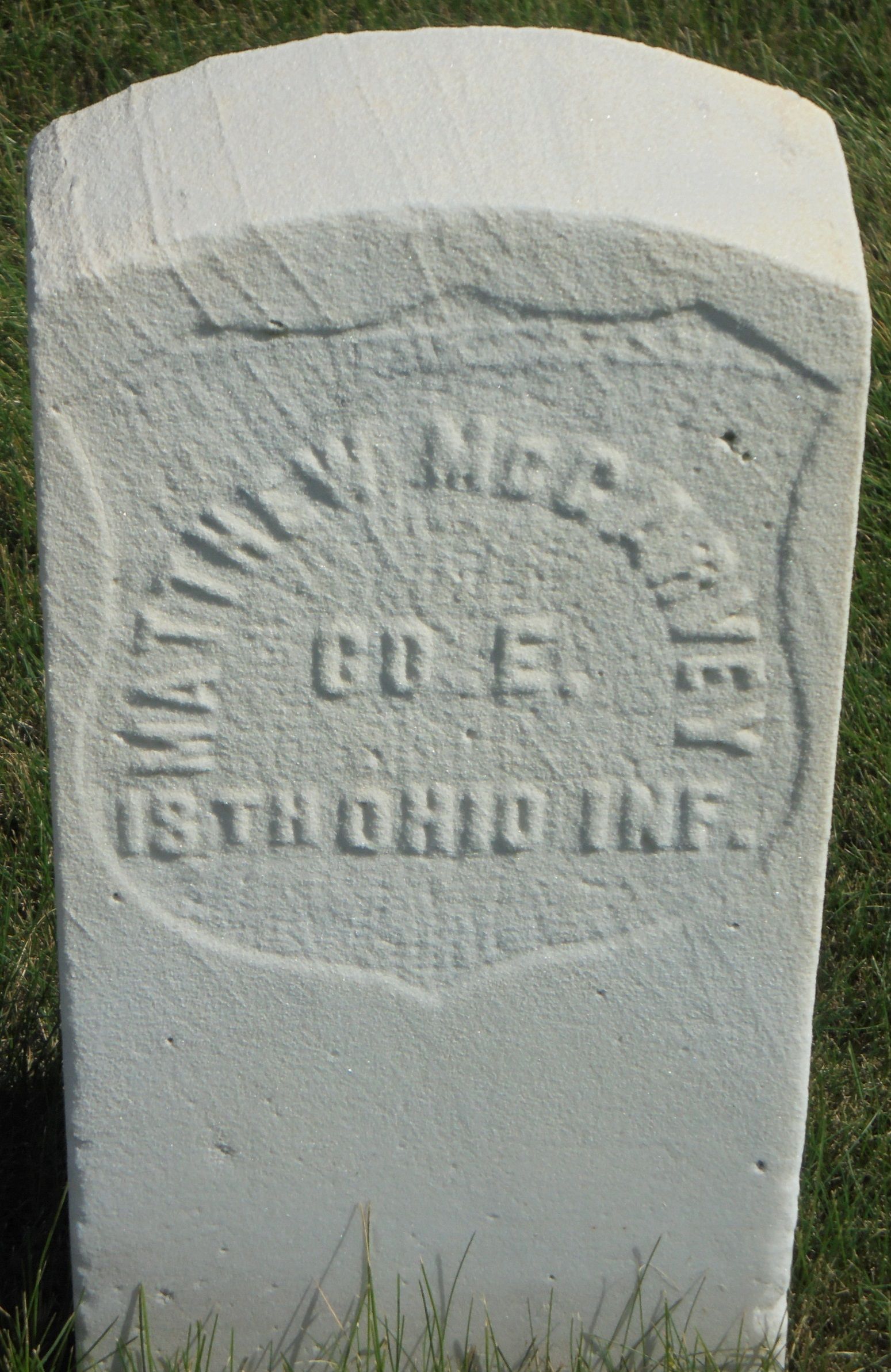
Soldier, settler, laborer, and the first known American-born McGarvey in this direct line, with records connecting Maryland, Ohio, Civil War service, and the Dayton National Cemetery.
Features
Selected projects connect classroom practice, public history, family research, student design work, and historical interpretation.
Career Preparation Tool
An interactive two-part toolkit that helps teacher candidates research schools and districts, organize teaching evidence, review educational terminology, and prepare for interviews.
Open Interview ToolkitWriting Tool
Created by Dylan McGarvey, this updated Thesis Creator rebuilds one of the most popular classroom tools from my early-2000s World History courses, a number-one Google-ranked thesis writing site that helped students develop stronger argumentative claims.
open course